⭐ 151+ 5-Star Google Reviews Australia-wide
Commercial EV Chargers
Prepare your site for electric vehicles with scalable charging infrastructure designed around your electrical capacity, operational needs and future growth.
- Workplace and fleet EV charging solutions
- AC and DC charging solutions tailored to your site
- Smart load management and monitoring
- Turnkey design, installation and ongoing support
#Official Partner of the AFL.

Plan the Right EV Charging Solution for Your Site
Commercial EV charging is becoming essential across every industry. Whether supporting employees, customers, visitors or fleet vehicles, the right charging infrastructure can improve convenience, support sustainability goals and prepare your organisation for future demand.
The right solution depends on how vehicles are used, how long they remain onsite, the electrical capacity available and how charging requirements may grow over time.
Sharp EIT assesses your site and operational needs before recommending the right combination of charging hardware, electrical infrastructure and future-ready system design.

Commercial EV Charger Finance Options
Spread the cost of eligible EV charging equipment, installation and supporting infrastructure with tailored finance options through Sharp EIT Finance.
Overview
#AC vs DC Chargers: What’s Right for Your Business?
Choosing the right commercial EV charger depends on how long vehicles remain onsite, how quickly they need to recharge and the electrical capacity available.
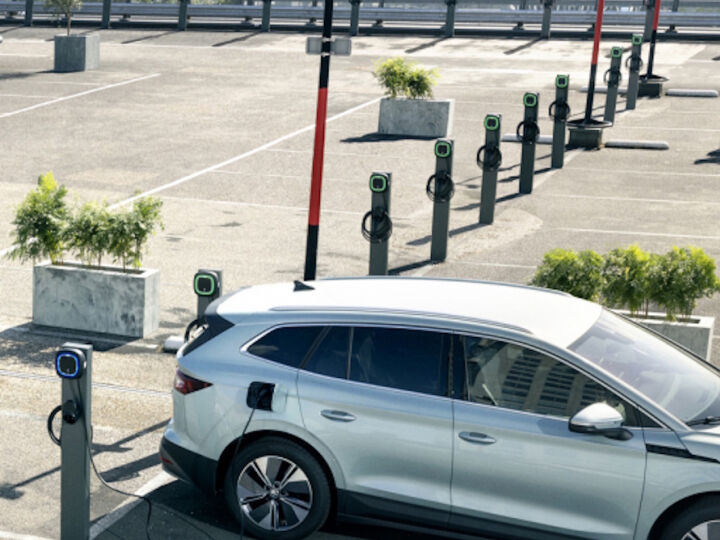
AC Chargers (7kW–22kW)
Best suited to workplaces, retail, hospitality, strata and long-stay parking where vehicles can charge throughout the day or overnight.
- Cost-effective installation
- Ideal for all-day or overnight charging
- Lower impact on electrical load
- Wall-mounted or pedestal options
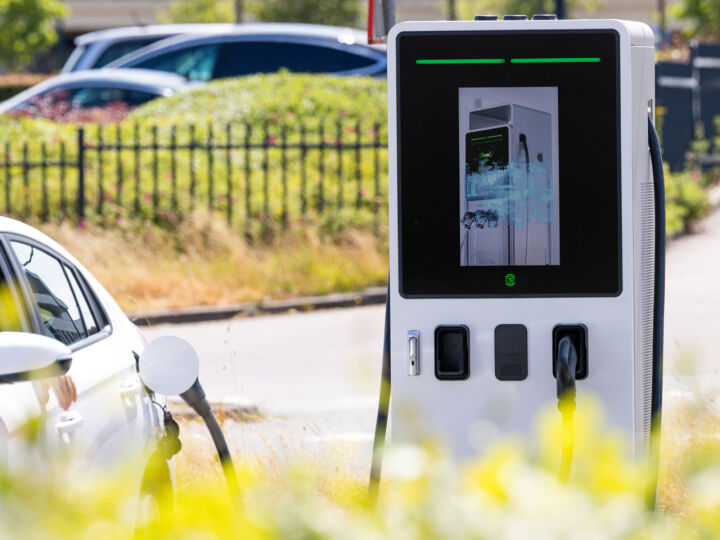
DC Fast Chargers (25kW–350kW)
Best suited to logistics fleets, business parks, depots and public charging locations where faster vehicle turnaround is required.
- Ultra-fast charging in minutes
- Supports high vehicle turnover
- Integrates with solar and battery storage
- Scalable for future expansion
#Industries That Benefit from Commercial EV Charging
From workplace charging and commercial fleets to public destinations and customer parking, Sharp EIT designs EV charging solutions tailored to the operational needs of each industry.
Workplaces & Offices
Councils & Government
Sports & Entertainment
Healthcare
Legal
Education
Construction
Transport
& Logistics
Hospitality
Commercial Buildings

Intelligent EV Load Management
Installing multiple EV chargers doesn't always mean upgrading your electrical supply.
Intelligent load management monitors the power available across your site and automatically distributes it between connected chargers. This helps maximise charging capacity while protecting your existing electrical infrastructure.
Whether you're installing a handful of workplace chargers or planning for a growing fleet, load management allows your charging network to expand more efficiently while making better use of the power already available.

Smart Charging Management
Connected charging software helps you control who can use your chargers, monitor energy use and manage charging across one or multiple sites.
Drivers can access compatible chargers using RFID cards, a mobile app or QR code, while administrators can review charging sessions, manage user permissions and track usage through a central platform.
Billing, fleet reimbursement and public charging options can also be included where required.

Why Choose Sharp EIT for Commercial EV Charging
EV charging projects can become expensive when the wrong charger, electrical design or load-management approach is chosen at the start.
Led by Neil Armstrong, General Manager – Green Energy, Sharp EIT brings the charging, electrical and energy expertise together in one team. We assess the whole site before recommending a solution, helping you avoid unnecessary upgrades, poor charger performance and infrastructure that cannot support future demand.
From the first site assessment to installation and ongoing support, you have one experienced partner responsible for getting the project right.
#You'll Be in Great Company
From Local Businesses to National Brands. Across IT, Print, LED, AV and Commercial Solar solutions Australia-wide.




Contact Us
#Get an EV Charging Assessment for Your Site
Speak with our Green Energy team about your site, vehicles and charging requirements. We’ll help you plan the right commercial EV charging solution.
#Frequently Asked Questions About EV Charging for Business
Connected charging platforms can record charging sessions, energy consumption, charger status and user activity. Depending on the selected system, reporting may be available by driver, vehicle, charger or site, with billing and cost-allocation options also available.