⭐ 4.9 Google Rating | 179 Reviews
Commercial Battery Storage Systems (BESS)
Reduce electricity costs with commercial battery storage designed around your business, energy usage and peak demand. Store excess solar or lower-cost grid energy, reduce demand charges and add backup power where required.

#You'll Be in Great Company
From Local Businesses to National Brands. Across IT, Print, LED, AV and Commercial Solar solutions Australia-wide.




Unlock the Benefits of Commercial Battery Storage
A commercial Battery Energy Storage System (BESS) stores electricity so your business can use it when it provides the most value — such as during peak tariff periods, after solar generation falls or during a grid outage.
Sharp EIT designs and installs commercial battery storage systems based on your site's interval data, peak demand, solar generation and operating hours. Depending on your energy profile, a BESS can help reduce demand charges, increase solar self-consumption, shift electricity use away from expensive peak periods and provide backup power for critical loads.
Whether you are adding to existing solar or starting fresh, we size systems based on your interval data, not guesswork.

$0 Upfront Finance Options Available
Preserve capital with chattel mortgage or lease options. Eligible businesses can install commercial battery storage with no upfront deposit and spread the project cost over an agreed term. Depending on your energy savings and finance structure, repayments may be offset by reductions in electricity costs. Subject to credit approval.
Commercial Solar Battery Storage
#Which Best Describes Your Situation?
Whether you're adding battery storage to existing solar or starting from scratch, we can design the right battery storage solution for your business.
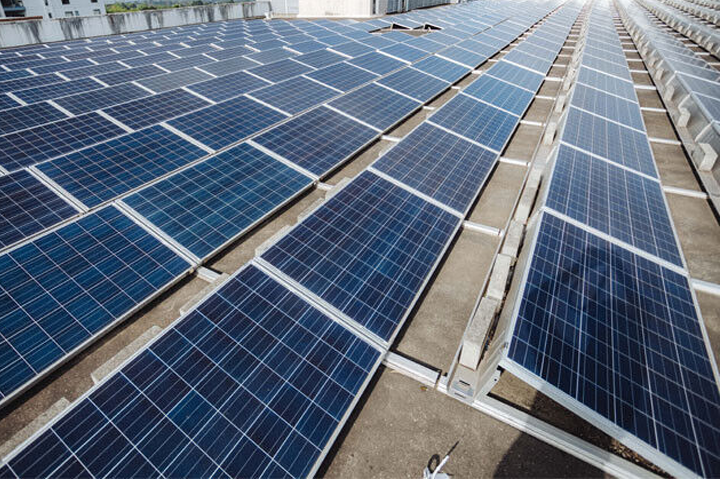
Already Have Solar?
Add Battery Storage
A commercial battery can often be added to an existing solar system, but the right solution depends on your inverter setup, switchboard capacity, available space and energy profile. Sharp EIT can assess your current solar system and determine whether battery storage can improve self-consumption, reduce peak demand or provide backup power.
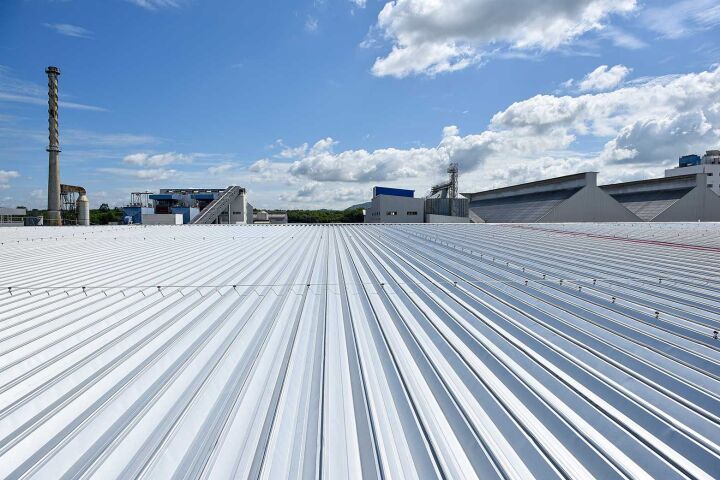
Starting Fresh?
Solar + Battery or Battery Only
If you are planning a new commercial solar system, battery storage can be designed into the project from the outset. Sharp EIT can model solar generation, site demand and battery capacity together so the system is sized around your operating hours, peak loads, backup requirements and expected financial return.
#How Commercial Battery Storage Saves and Adds Value
Want the battery designed to match your solar generation and operating hours?
Reduce Demand Charges
A commercial battery can discharge during short periods of high electricity demand, helping reduce the peak demand recorded for billing. The potential saving depends on your tariff, load profile and how consistently peak demand can be managed.
Maximise Solar Self-Consumption
Instead of exporting excess solar generation to the grid, a BESS can store that energy for use later in the day. This can increase solar self-consumption and reduce the amount of electricity your business needs to purchase from the grid.
Long-Term Reliability & Safety
Commercial BESS solutions are designed with battery management, thermal protection and safety controls appropriate to the selected system and installation. Sharp EIT designs installations to applicable Australian standards and manufacturer requirements.
Backup Power & UPS Capability
Where backup capability is required, a commercial battery can be designed to support selected critical loads during a grid outage. Backup capacity and runtime depend on the battery size, power rating and the equipment that needs to remain operational.
#How Commercial Battery Storage Is Sized
Commercial battery storage is sized using both power (kW) and energy capacity (kWh). The right combination depends on your peak demand, operating hours, solar generation, electricity tariffs and backup requirements.
Sharp EIT uses your interval data and site load profile to determine the appropriate BESS size and model the expected savings and financial return.
| BESS Consideration | What It Tells You |
|---|---|
| Power rating (kW) | How much power the battery can charge or discharge at one time. |
| Energy capacity (kWh) | How much electricity the battery can store and how long it can support your loads. |
| Peak demand | Helps determine the power required for demand management and peak shaving. |
| Solar generation | Helps determine how much excess solar may be available to store. |
| Operating hours | Determines when stored energy can provide the greatest value. |
| Backup requirements | Critical loads and required backup duration affect both kW and kWh sizing. |
Commercial battery pricing varies based on power rating, usable capacity, battery technology, electrical infrastructure and installation complexity. Sharp EIT provides site-specific pricing after assessing your interval data and project requirements.
#Commercial Battery Rebates Available in 2026
Eligible businesses can access the Australian Government’s Cheaper Home Batteries Program, with an upfront discount available on eligible battery systems from 5kWh to 100kWh. Following changes from 1 May 2026, the rebate now varies by battery size and installation date. Sharp EIT can assess your system and confirm the current incentive available.
#Ready to Start Saving? Let’s Talk Battery Storage.
If you’d like pricing, a sizing recommendation, or a quick assessment of whether battery storage will stack up at your site, we can help.
As part of an initial assessment, we'll look at what's driving your energy bill, whether demand charges are influencing your costs, how much commercial solar you're using versus exporting, and what you want the battery to achieve—savings, resilience, or both.
#FAQs About Commercial Battery Storage
Commercial battery storage can be worthwhile where a business has high peak demand charges, significant excess solar generation, time-of-use electricity tariffs or a need for backup power. The financial case depends on your load profile, electricity tariff, battery size, cycling strategy and expected savings. Sharp EIT reviews your interval data to model whether a BESS is likely to deliver a suitable return for your site.
The right commercial battery size depends on what you want the battery to achieve. Savings-focused systems are sized around peak demand, operating hours, solar generation, electricity tariffs and both power (kW) and energy capacity (kWh). Backup-focused systems also need to account for critical loads and required runtime. Sharp EIT uses your interval data and site load profile to recommend an appropriate BESS size.
kW (kilowatts) is power—how much equipment the battery can run at once. kWh (kilowatt-hours) is capacity—how long the battery lasts. We size commercial BESS based on both your peak load and desired runtime.
Yes. Batteries can supply power during short high-demand events and reduce the maximum demand recorded for billing, which may lower demand charges depending on your tariff.
Yes, a commercial battery can provide backup power for selected critical loads when the system is designed with the required backup or UPS capability. The available runtime depends on battery capacity, power rating and the equipment that needs to remain operational. Sharp EIT can identify critical loads and model the backup duration during system design.
Yes. AC-coupled battery retrofits work well with existing commercial solar systems. We confirm inverter compatibility and configure for maximum solar self-consumption.
Yes. Standalone BESS can perform energy arbitrage—charging from the grid during off-peak time-of-use rates and discharging during high-cost periods.
Yes. Eligible businesses may access the Australian Government’s Cheaper Home Batteries Program for qualifying battery systems. The rebate structure changed from 1 May 2026, and the value now depends on battery capacity, installation date and current scheme settings. Sharp EIT can assess your proposed system and confirm the incentive that may apply.
Commercial battery life depends on the battery chemistry, depth of discharge, operating temperature, cycling frequency and manufacturer specifications. Many LiFePO4 commercial battery systems are designed for thousands of charge cycles, with warranties typically based on years of service, cycle limits or retained capacity. Sharp EIT will confirm the expected battery life and warranty for the specific BESS proposed for your site.
Yes. Sharp EIT designs and installs commercial solar systems for businesses across Australia, from around 20kW rooftop projects through to multi-megawatt commercial and industrial installations. We can also integrate battery storage, EV charging and ongoing monitoring as part of a broader energy solution.