A commercial solar finance & payback guide for businesses
Commercial Solar ROI: Payback, Cashflow & Finance Options
Understand commercial solar ROI, simple payback and cashflow. Learn how system size, tariffs, self-consumption and finance affect outcomes for Australian businesses.
#You'll Be in Great Company
From Local Businesses to National Brands. Across IT, Print, LED, AV and Commercial Solar solutions Australia-wide.




When a business looks at commercial solar, the first questions are usually the same: What will it cost? When does it pay for itself? And will it improve cashflow? This guide explains how ROI works for commercial solar systems, what drives payback, and how finance can turn solar from a capital expense into a predictable monthly operating cost.
For most businesses, ROI isn’t a single number. It’s a mix of simple payback, bill reduction, and the ability to stabilise electricity costs over time — especially as tariffs and demand charges increase.
What “ROI” means for commercial solar
Commercial solar ROI is typically assessed in two practical ways:
-
Simple payback: how long it takes for savings to cover the system cost
-
Cashflow impact: whether your solar savings can offset (or exceed) the monthly cost of finance
A system can have a strong payback on paper but still be a poor fit if it’s not sized correctly for your operating hours and daytime usage.
The 5 drivers of payback time
Payback outcomes vary because every site uses electricity differently. The biggest drivers of ROI are:
-
Daytime energy usage (self-consumption) – businesses that use power during the day typically benefit most
-
System size and design – your system should match your load profile, not just roof space
-
Tariffs and demand charges – peak rates and demand charges can materially change outcomes
-
Commercial solar installation cost – connection requirements, roof access and site complexity affect pricing
-
Monitoring and performance – poor visibility can hide underperformance and reduce long-term returns
If you’re comparing proposals, a good benchmark is not just the quoted commercial solar panel cost, but how much of your daytime load the system will actually offset.
Cashflow: how solar can be cash-positive
For many businesses, commercial solar is attractive because it can reduce bills immediately. With the right system design, your solar savings can offset a significant portion of your daytime electricity usage.
If you’re eligible for $0 upfront finance, the monthly repayment can be comparable to — or lower than — the electricity cost you’re offsetting. The key is correct sizing and realistic modelling based on your actual usage.
If bill volatility is your main concern, this guide works well alongside Bill Shock: Take Control of Your Energy Costs.
Finance options
Sharp EIT can support ROI planning with two common approaches:
-
Outright purchase (capex) for businesses that want the fastest long-term returns
-
$0 upfront equipment finance for approved customers who prefer predictable monthly repayments
We’ll model both scenarios so you can compare payback and cashflow in plain terms. This is not a power purchase agreement model, it’s a straightforward equipment finance structure designed for business decision-making.
If you want a clear ROI and cashflow model, Sharp EIT can review your latest electricity bill and estimate payback under both outright purchase and $0 upfront finance options. Get in touch for a free commercial solar assessment today.
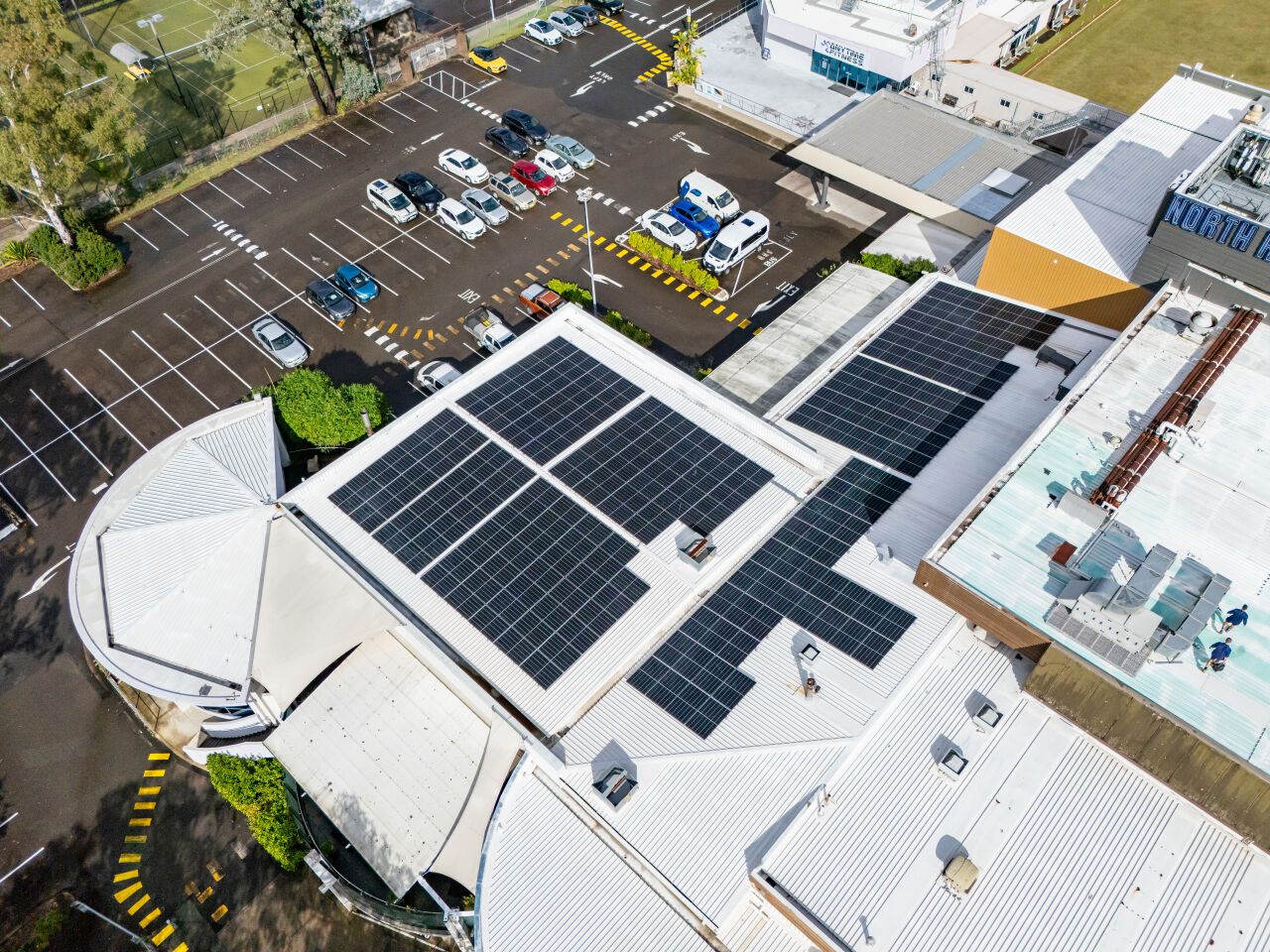
#🎥 Case Study - 100kW Rooftop Solar Installation - North Ryde RSL
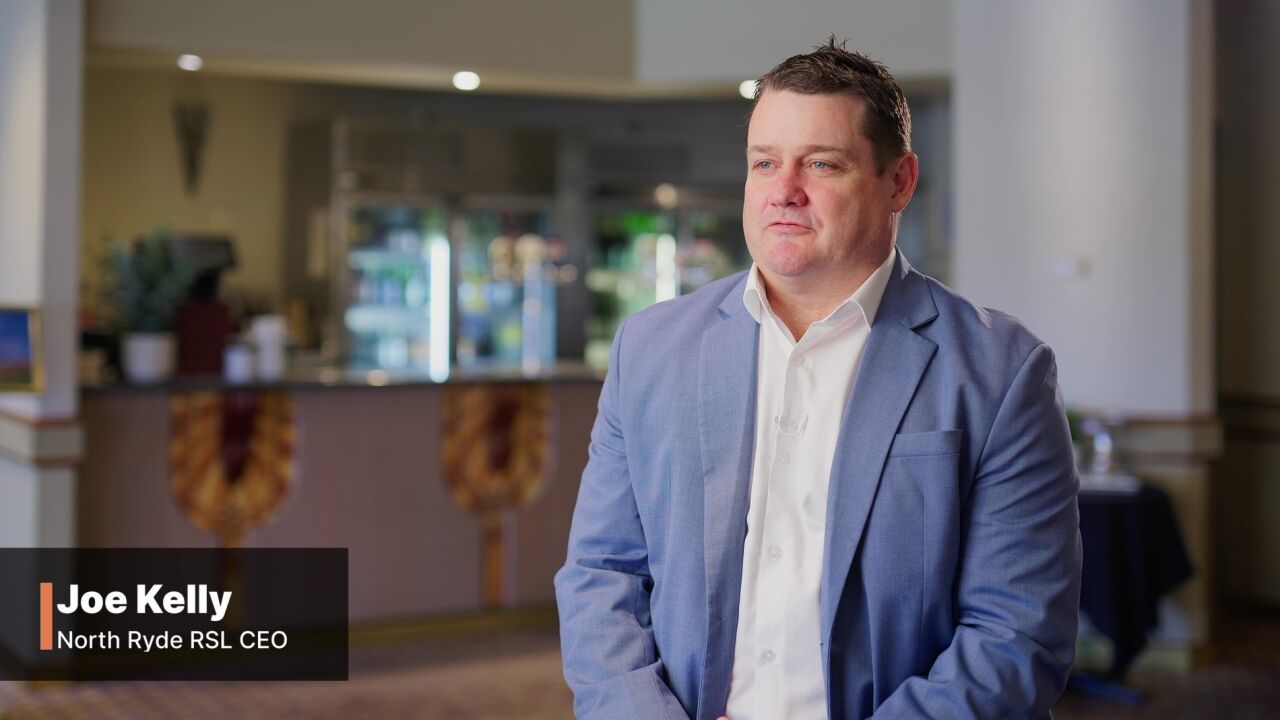
"Sharp EIT made the switch to solar effortless. The install was fast, the team was great to deal with". Joe Kelly, CEO of North Ryde RSL.
Want pricing and payback for your site? No-obligation. We’ll confirm suitability, pricing and estimated payback.
#Ready to reduce your power bills?
Talk to Sharp EIT about a commercial solar system that reduces your power bills and helps you hit your sustainability targets.