⭐ 4.9 Google Rating | 179 Reviews
Commercial Solar System Types
Compare commercial solar system types including rooftop, ground-mount, solar car park and AgriSolar systems. Understand which option may suit your site, available space and energy requirements.

#You'll Be in Great Company
From Local Businesses to National Brands. Across IT, Print, LED, AV and Commercial Solar solutions Australia-wide.


What Type Of Commercial Solar System Is Right For My Business?
The right commercial solar system depends on your energy usage, available space and site requirements. Rooftop solar makes use of existing building space, while ground-mount systems can suit sites with available land. Solar car parks can generate energy while providing covered parking, and AgriSolar can combine solar generation with productive agricultural land.
Key considerations include:
- Electricity usage and operating hours
- Available roof, land or car park space
- Site and structural requirements
- Network capacity and approvals
- Future energy requirements
Overview
#Commercial Solar System Types Compared
Commercial solar can be installed across rooftops, land, car parks and agricultural sites. Compare the main system types to understand which configuration may suit your site and energy requirements.

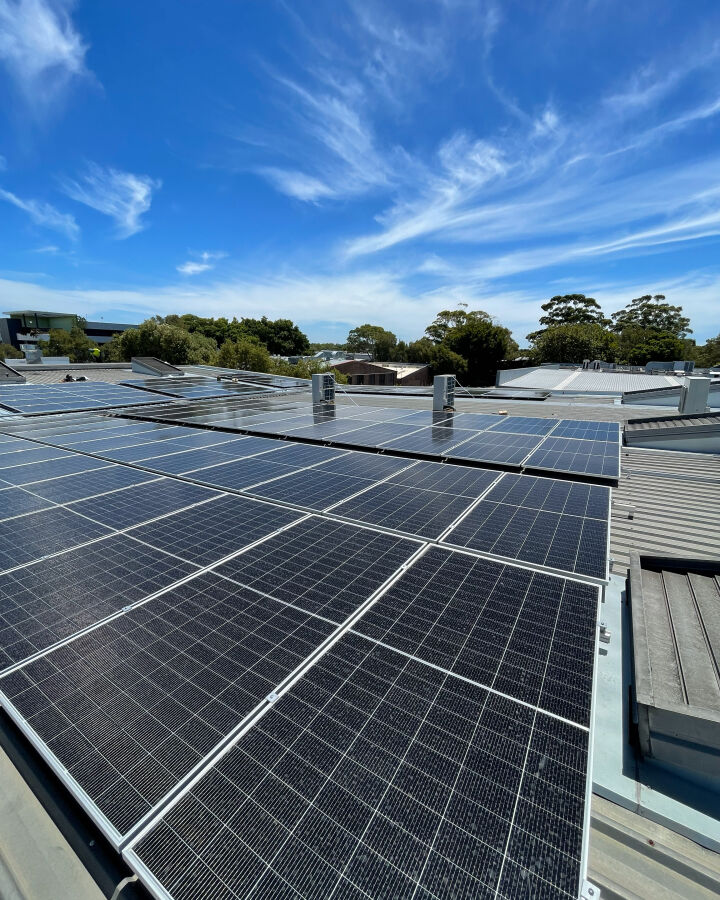
Commercial Rooftop Solar
Use existing roof space to generate electricity close to where your business consumes it. Commercial rooftop solar is well suited to buildings with usable roof area and consistent daytime energy demand.
May suit sites with:
- Large usable roof areas
- Consistent daytime electricity use
- Suitable roof condition and structure
- Limited available land
Solar Car Parks & Canopies
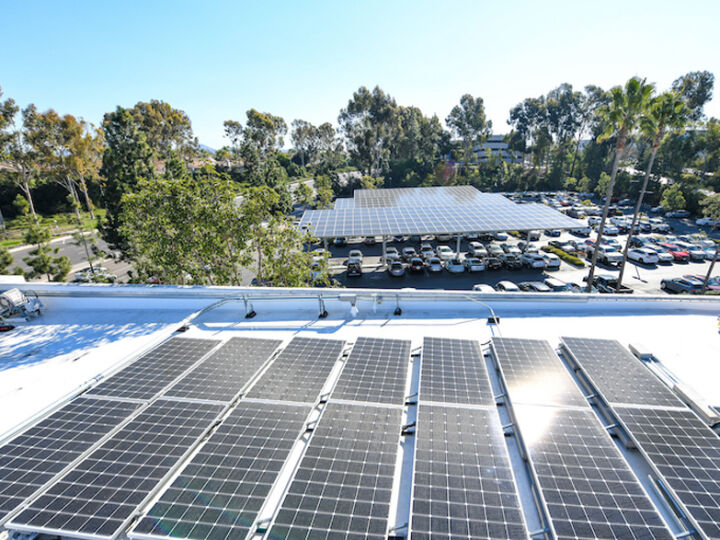
Solar canopies turn car parks and other open areas into electricity-generating assets while also providing covered parking or sheltered spaces.
May suit sites with:
- Large car parking areas
- Limited rooftop space
- High daytime electricity use
- Future EV charging requirements
Ground-Mount Commercial Solar
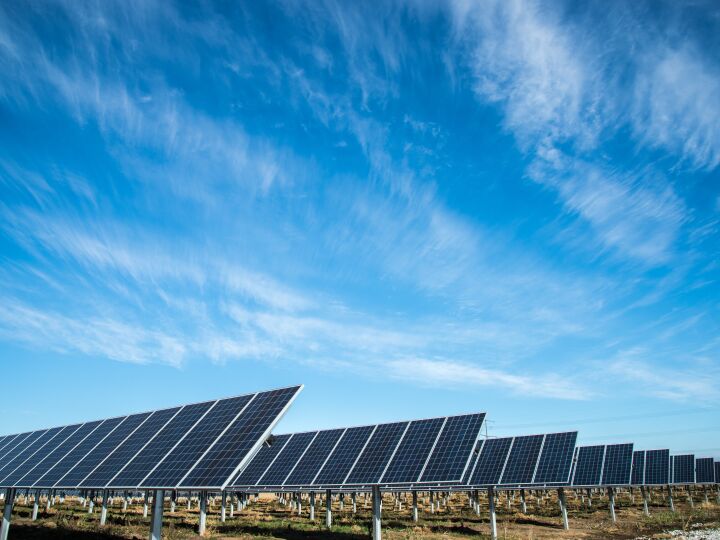
Ground-mounted solar uses available land instead of roof space, providing greater flexibility over system layout, orientation and scale.
May suit sites with:
- Available unused or underutilised land
- Limited or unsuitable roof space
- Larger energy requirements
- Potential for future expansion
AgriSolar (Agricultural Solar Systems)
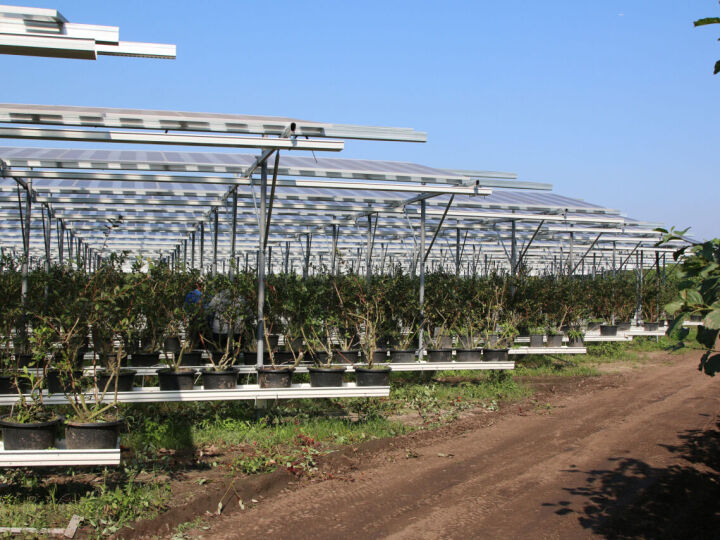
AgriSolar combines solar generation with agricultural land use, allowing suitable farming operations to generate renewable energy while maintaining productive use of the land.
May suit:
- Vineyards and horticulture
- Grazing and livestock operations
- Agricultural production sites
- Farms with significant energy requirements
#Get in Touch
Find out what commercial solar could save your business. Send us your details and we'll be in touch.
#Your Questions About Commercial Solar Types Answered
Commercial solar can be installed in several configurations depending on the site. The main types include rooftop solar, ground-mount solar, solar car park canopies and AgriSolar systems.
The right option depends on your available space, electricity usage, site characteristics and future energy requirements.
The right commercial solar system depends on your electricity usage, available roof, land or car park space, site conditions and electrical infrastructure.
Rooftop solar suits many commercial buildings with usable roof space. Ground-mount solar can suit sites with available land, while solar car park canopies make use of parking areas. Agricultural sites may also be suited to AgriSolar.
System size is then determined separately based on your energy requirements and site capacity.
To narrow it down quickly, check typical commercial solar system sizes and how sizing affects performance and approvals.
Rooftop commercial solar uses existing building roof space and typically offers the fastest payback when roof condition and structural capacity are suitable. Solar car park canopies create new shaded parking infrastructure while generating solar energy, ideal when roof space is limited, you need covered parking, or want EV charging integration. Car park canopies cost more due to structural requirements but deliver dual benefits.
Want to compare all options in one place? View our commercial solar system types guide.
No. Sharp EIT designs and installs commercial solar across a range of system types, including rooftop solar, ground-mount solar, solar car park canopies and AgriSolar systems.
The appropriate configuration depends on your site, available space and energy requirements.
Approval and grid connection requirements vary depending on the system configuration, size, location and network.
Rooftop, ground-mount, solar car park and AgriSolar projects can have different structural, planning, electrical and network requirements. Sharp EIT assesses these requirements during project feasibility and manages the relevant approvals and grid connection process.
Battery storage can be added to rooftop, ground-mount, solar car park and AgriSolar systems where there is a suitable business case.
Whether it is worthwhile depends on factors such as your solar generation, electricity usage outside daylight hours, peak demand charges and backup power requirements.
Learn how it works for business in our battery storage for commercial solar guide.